
PulseArchitecture

How Pulse
is put together.

A radiology workflow platform — registration through to the signed report. This is the architecture, and why each piece is there.
Where you already are

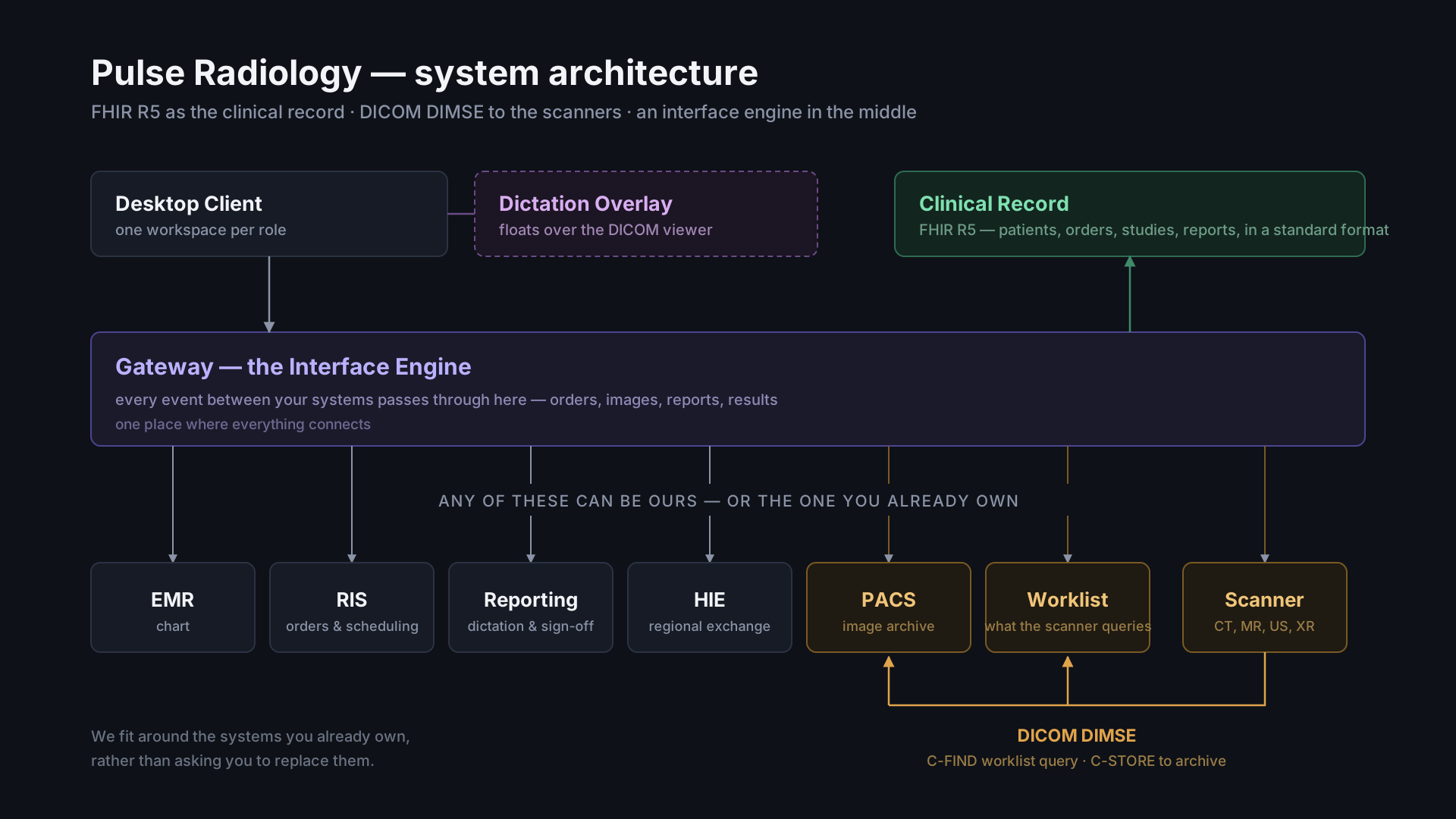
Your department is already seven systems.

EMRthe chart
RISorders & scheduling
Reportingdictation & sign-off
HIEregional exchange
PACSimage archive
Worklistwhat the scanner queries
ScannerCT, MR, US, XR
different vendors, bought at different times
Pulse system architecture
The middle

One place where everything connects.

An order is placed. Images arrive. A report is signed. Each event lands in one place, which works out which of your systems needs to know.

You already have something doing this job. The difference is that we designed the product around it, instead of bolting it on afterwards.

so keeping your PACS is a configuration, not a project
The record

The clinical record isn't our database. It's the standard.

Patients, orders, studies, reports — stored as FHIR R5, the international standard for exchanging health data.

Your tools already read this format. Your integration team already knows it. Nothing here is in a shape only we understand.

The scanners

We speak the protocol your machines already speak.

DICOM, directly. Nothing new to buy.

Staying in step

One number, running through everything.
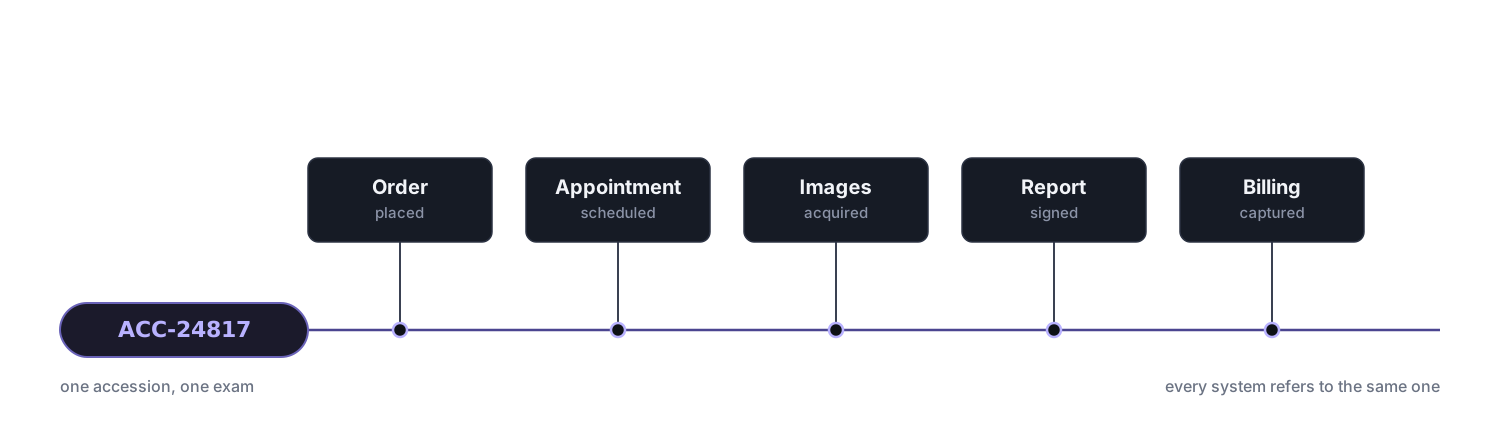
One accession threading order, appointment, images, report and billing

If a system is down, it's retried. If ours restarts mid-delivery, the message is still there when it comes back.

The reading worklistwhat's waiting · and how long it has been waiting
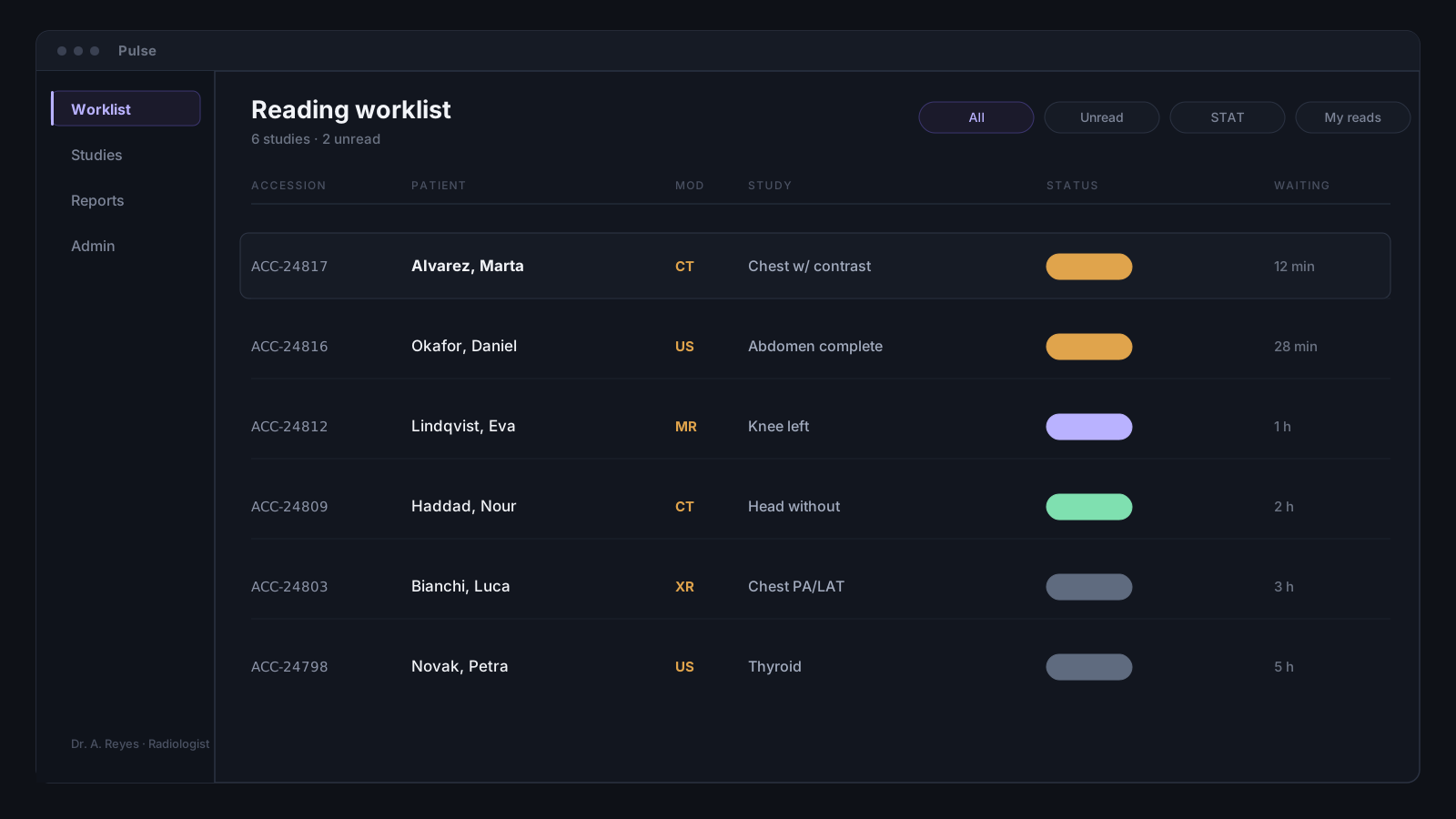
Pulse reading worklist
Dictationwhat was said, above · a drafted impression, below · the radiologist signs
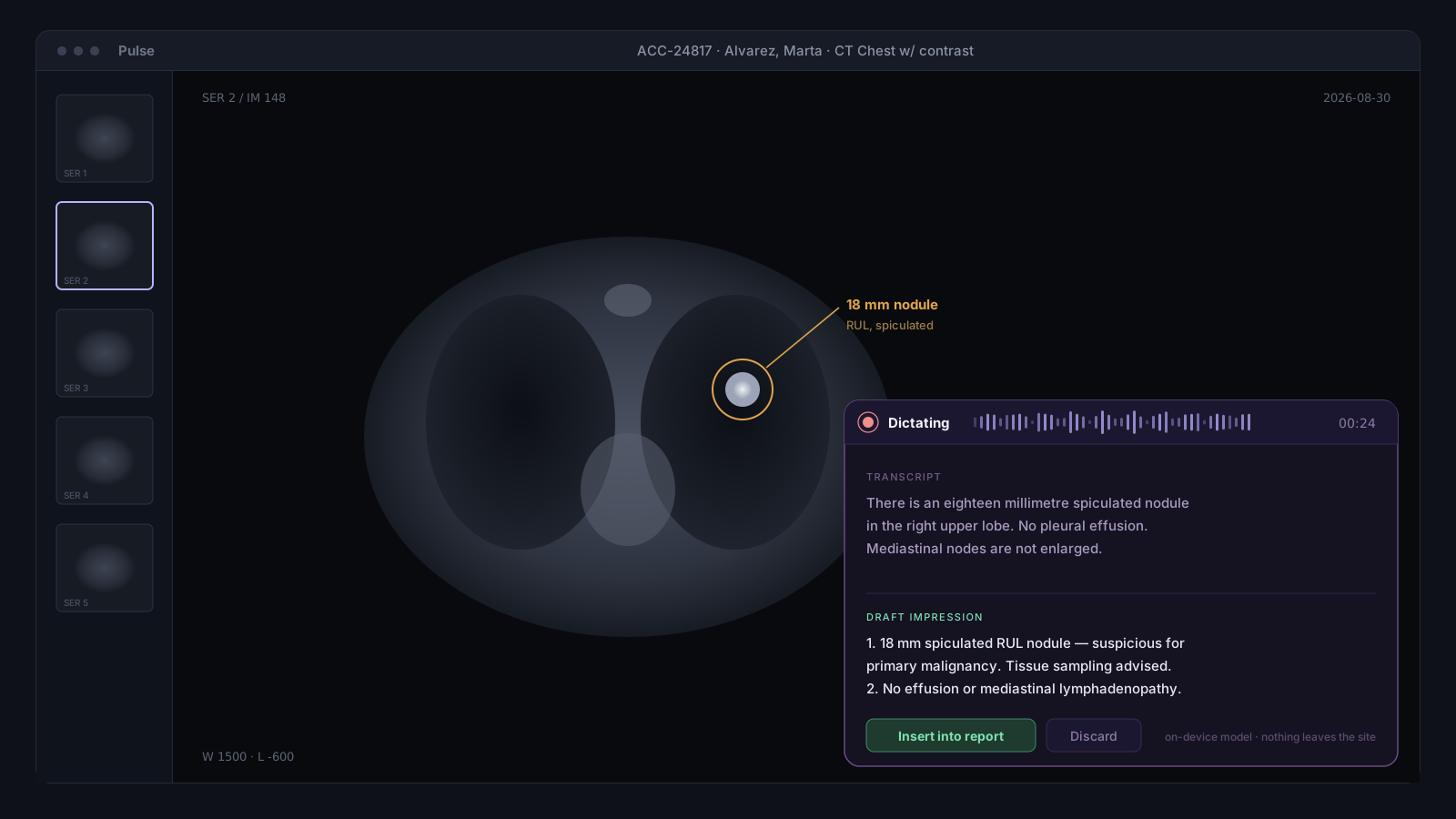
Dictation overlay above the viewer
Where it runs

Residency isn't a setting. It's a separate deployment.
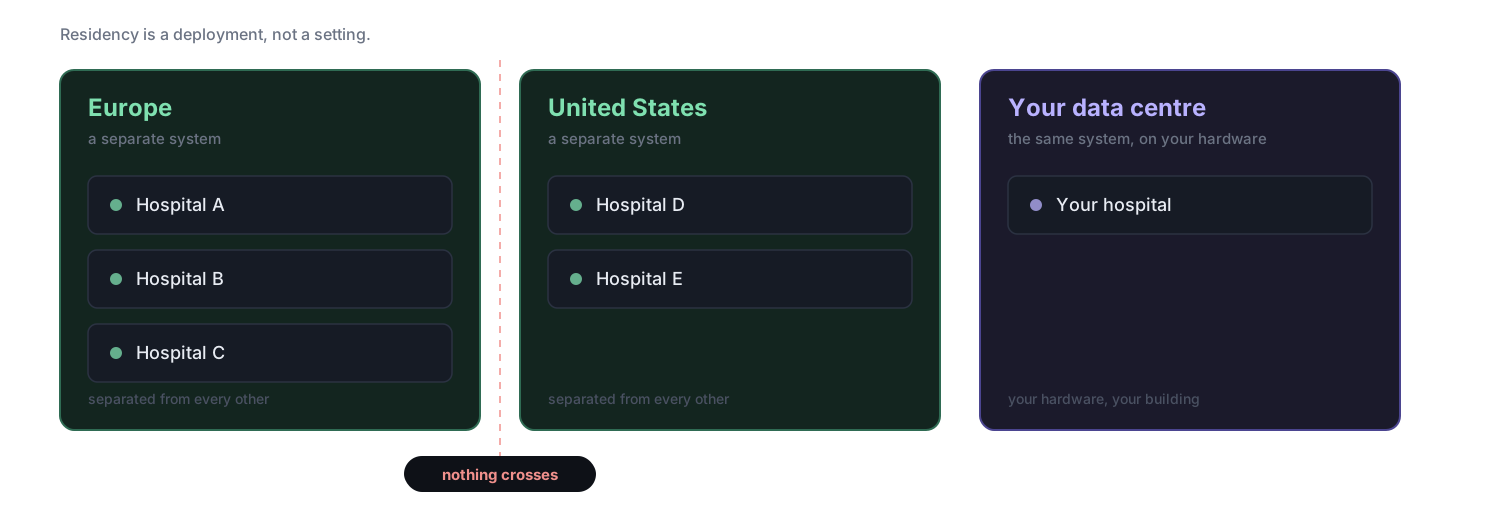
A separate deployment per region, plus on-premise

Who you are comes from your sign-in — never from anything the desktop can claim.

When something goes wrong

Imaging doesn't stop because a vendor is having a bad day.

And on-premise, our availability isn't part of your risk at all.

Leaving

There's no extraction, because there's nothing proprietary to extract from.

Everything is already FHIR and DICOM. Export all of it, and what comes out is readable by anything that speaks the standards — including whoever replaces us.

Everyone here has been through a migration where the last vendor's format turned two weeks into nine months. I'd rather say this now than have you find out later.

What the architecture buys you

Not features bolted on. Consequences of how it's built.

What you worry about
Why it can't happen
A study is acquired and nobody reads it
One accession threading every system
Someone is scanned who shouldn't be
Screening enforced in the server
A critical finding reaches nobody
Acknowledgement required, and recorded
The wrong person signs a report
Refused at the server, not the screen
Another hospital sees your patients
Identity from sign-in, never from the desktop
Data ends up in the wrong country
A separate deployment per region
Nobody can say who saw what
Every access recorded, reads included
Pulse

That's how it's
put together.

We're building it in the open, unfinished parts included — and we check what our suppliers claim rather than taking it on trust.

If any of this sounded like your Tuesday, I'd like to talk. We're looking for a few departments willing to shape it while it's still being designed.

Speaker notes

spacenext slide
previous
Ntoggle speaker notes
Home Endfirst / last
?close this